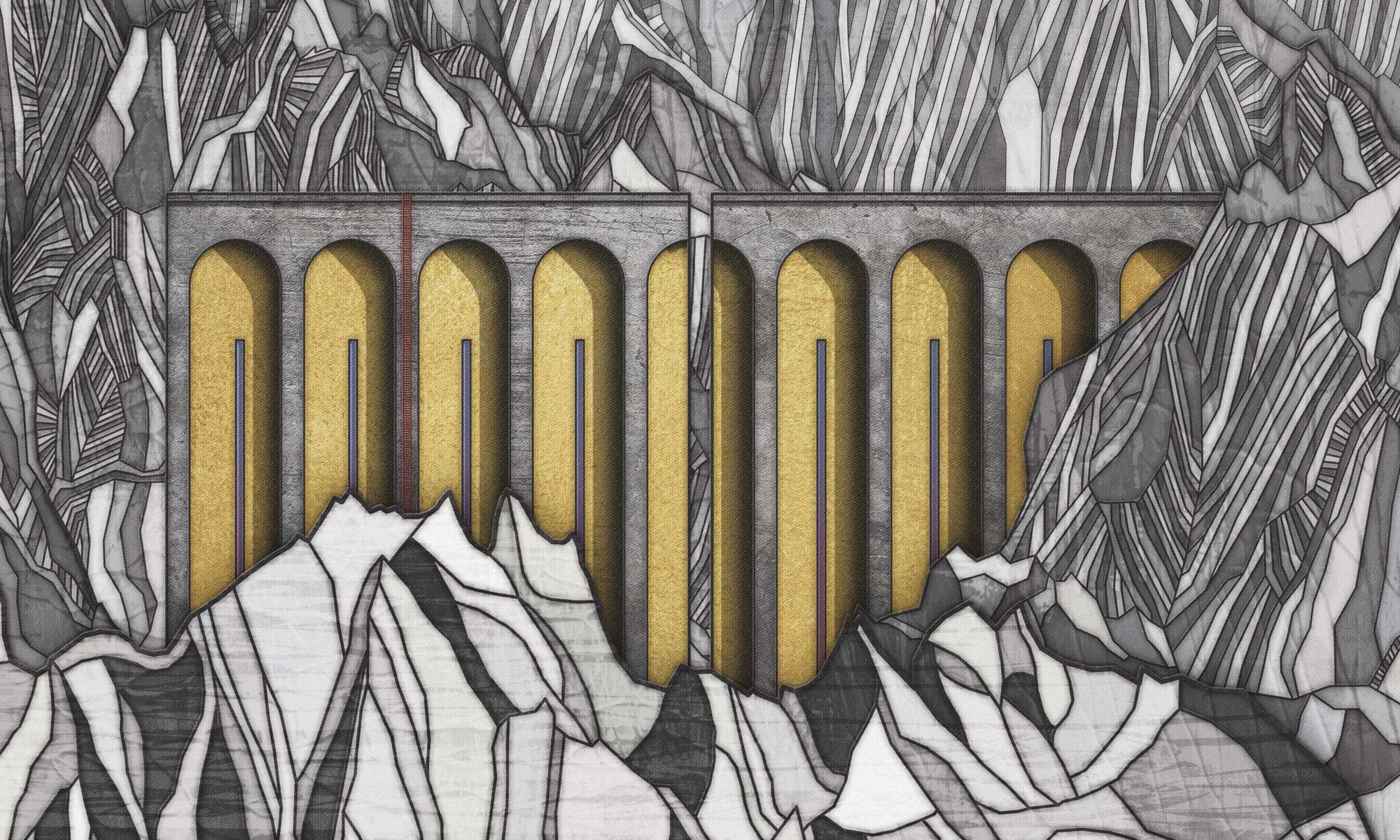
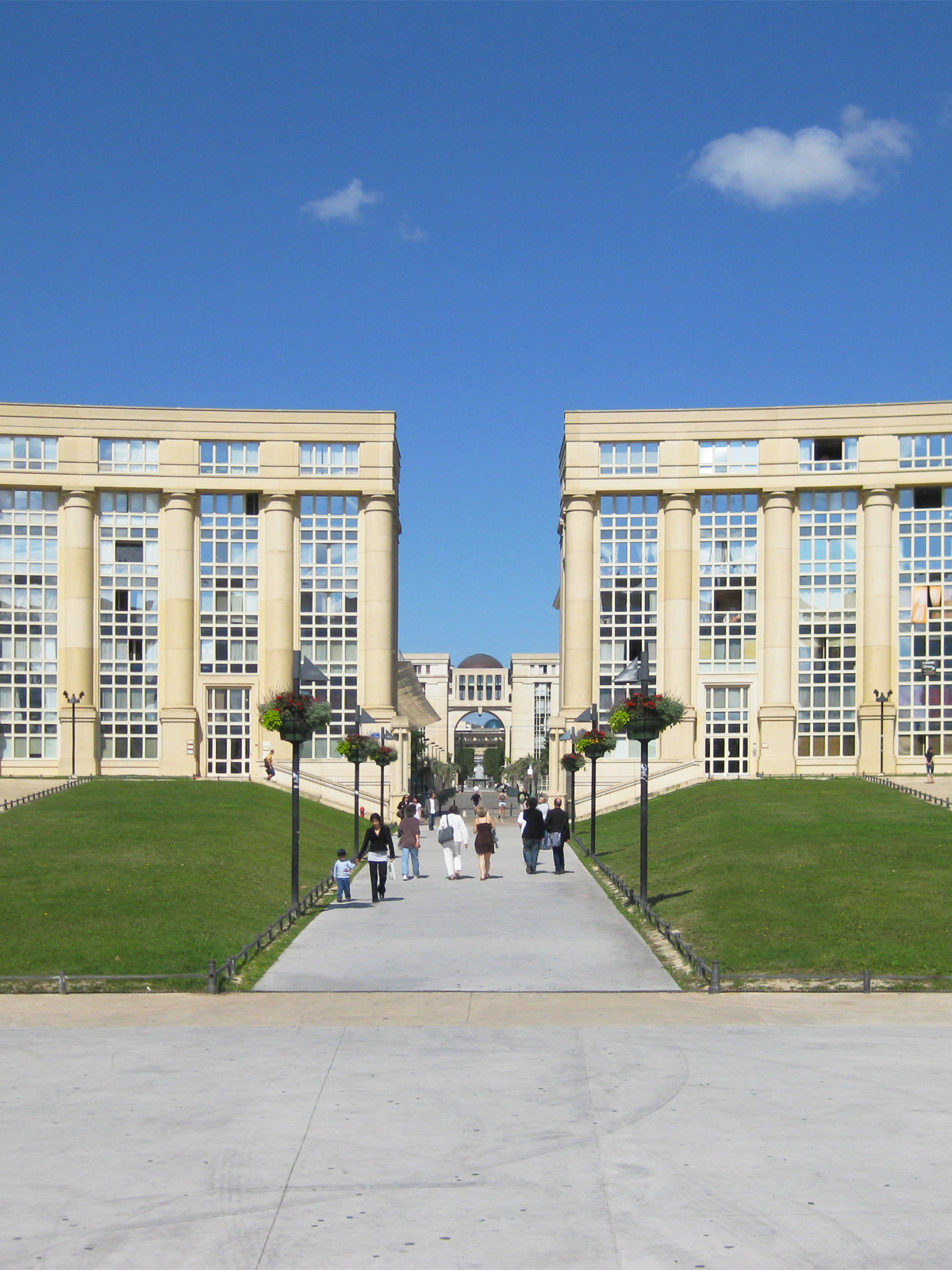
Symmetry is harmonious compliance among the members of the work itself and correlation between the parts and the whole general figure based on a selected piece as standard. In the human body, there is a balanced symmetrical property from the forearm, foot, palm, finger, and other small elements; so it is with the buildings. For example, in the sacred edifices, symmetry is designed from the thickness of a column or from the module of triglyphs, as in a ballista from the hole what Greeks call the περίτρητος, as in a ship from the space in between each thole pin (διάπηγμα); in every other work, there is a system of symmetry calculated from a component.
Marcus Vitruvius Pollio – De Architectura (translation in English ©J-W.HWANG)
ITEM SYMMETRIA EST EX IPSIUS OPERIS MEMBRIS CONVENIENS CONSENSUS EX PARTIBUSQUE SEPARATIS AD UNIVERSAE FIGURAE SPECIEM RATAE PARTIS RESPONSUS. UTI IN HOMINIS CORPORE E CUBITO, PEDE, PALMO, DIGITO CETERISQUE PARTICULIS SYMMETROS EST EURYTHMIAE QUALITAS, SIC EST IN OPERUM PERFECTIONIBUS. ET PRIMUM IN AEDIBUS SACRIS AUT E COLUMNARUM CRASSITUDINIBUS AUT TRIGLYPHO AUT ETIAM EMBATERE*, BALLISTA E FORAMINE CAPITULI, QUOD GRAECI περίτρητον VOCITANT, NAVIBUS INTERSCALMIO, QUAE διάπηγμα DICITUR; ITEM CETERORUM OPERUM E MEMBRIS INVENITUR SYMMETRIARUM RATIOCINATIO.
Marcus Vitruvius Pollio – De Architectura
* “AUT E TRIGLYPHO EMBATES” in other edition

 J-W.H/A+U&D