The heritage is fragile. War, fire and natural disasters are commonly known enemies. During the Japanese occupation period, the historic property of Korea has suffered for avowed robbery and poor maintenance. Countless precious assets have disappeared over the East Sea; even a whole building of the royal palace was just torn off and moved away. Bulguksa, the most historic and symbolic Buddhist temple of Korea, couldn’t be an exception.
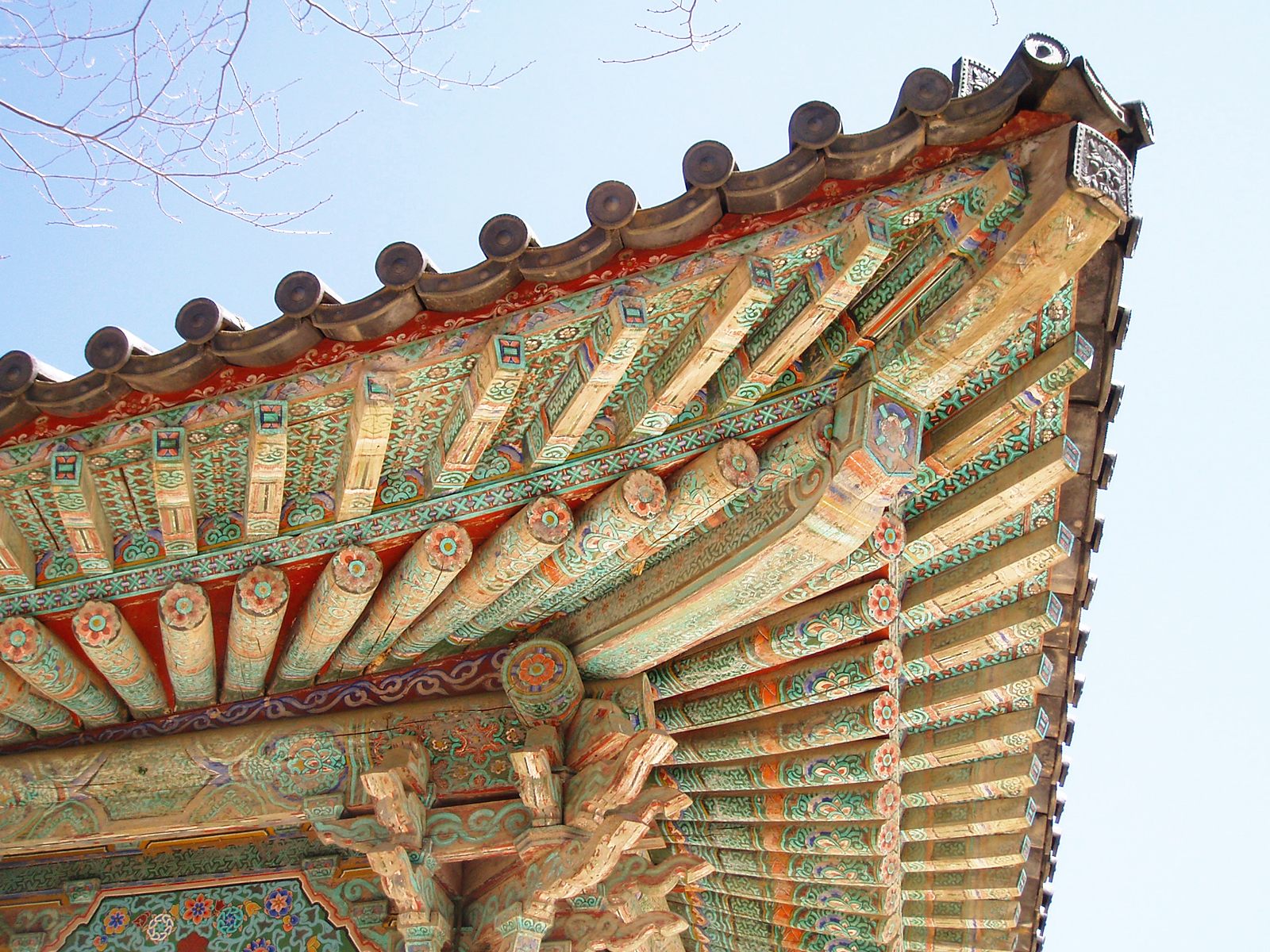
Then, over 70 years passed; today, is this temple correctly restored? Unfortunately, the answer is no. Era-mixed shapes of the roofs and pillars, unmatched motifs and colors of the paintwork, tourist-friendly landscaping, everything is imagined and flavored to proceed the delicate restoration as quickly as possible, without time-consuming further historical research, and to use as a propaganda of the immature politics.
This kind of policy to arouse the nationalism and to strengthen the governance by regenerating the historic or religious monuments is often found in the countries under the dictatorship or a similar ruling structure, as seen in Paris of Napoleon III and Haussmann.
However, the temple is listed as the UNESCO World Heritage Site since 1995.


 J-W.H/A+U&D