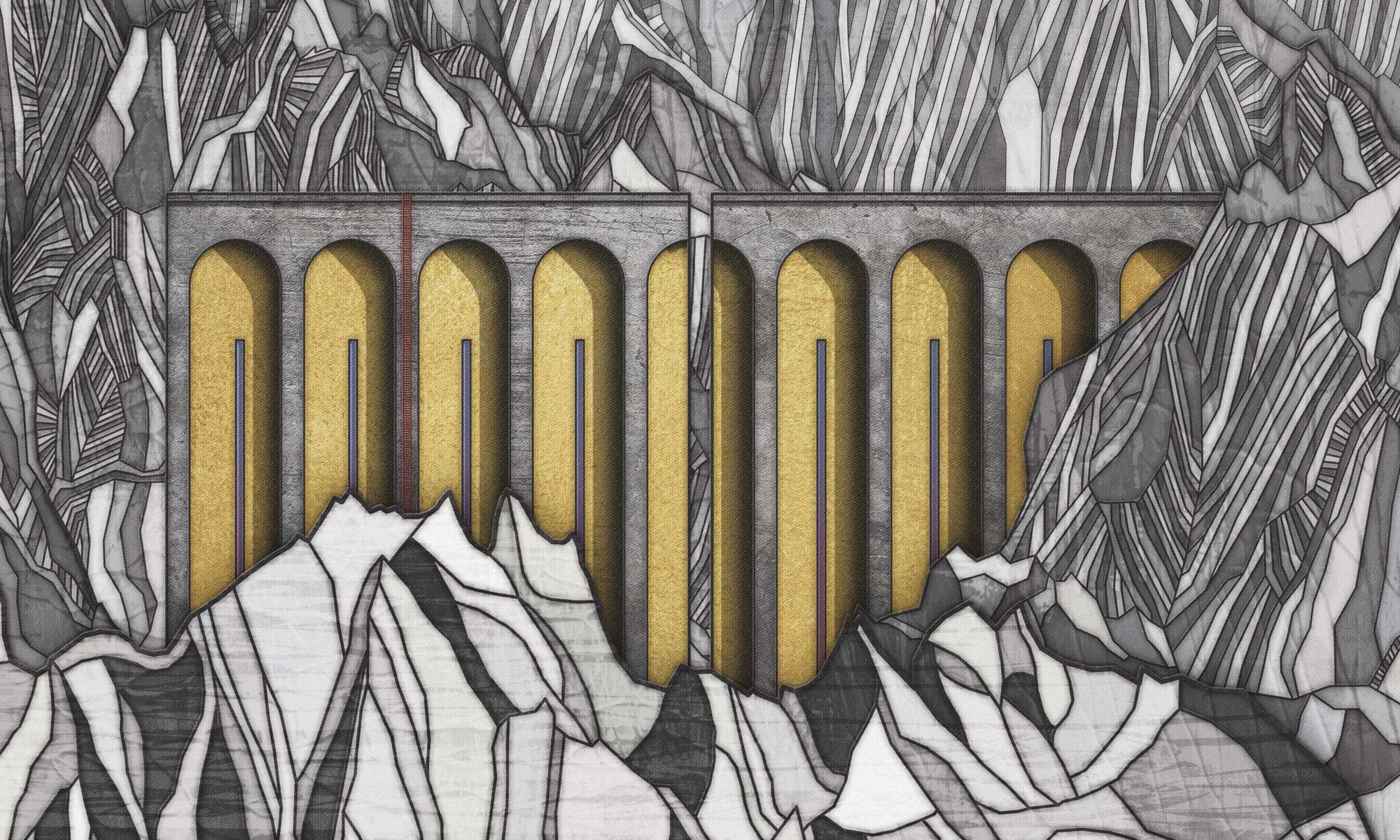

PATRICK SÜSKIND WROTE a short story about an artist who was dragging herself into the swamp of self-destruction because of a critic’s unintentional remark about the lack of depth in her paintings. In the middle of the ambiguous words, ‘depth’ becomes a single purpose for both the painter and the critic; then the relationship between them evolves from absence to wish. It is ‘Depth Wish’, a part of ‘Three Stories and a Reflection’ published in 1996.
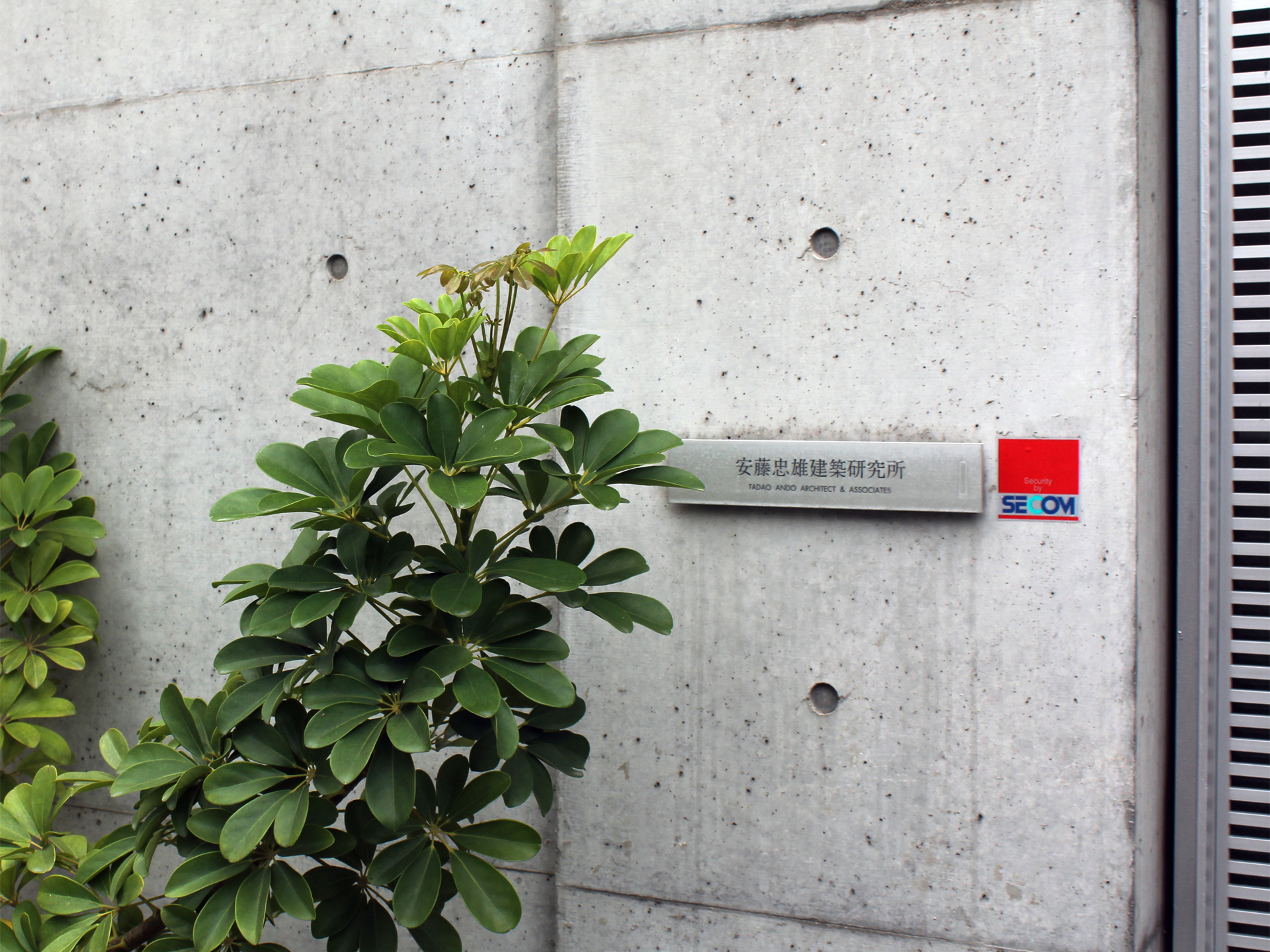
As an architect, I pursue the ‘detail wish’, by drawing what would be built. Amongst the uncertain ideas, the details can create a meaningful connection between architecture and reality. Photos are helpful, drawings are useful; that’s why I purchase this kind of book. This book is somewhat difficult to find outside Japan, I bought it when I was in Osaka. I also visited Mr. Ando’s office in Osaka on that occasion, but I was not able to meet him in person; I just saw the famous boxing glove and an old VHS tape of the Oscar De La Hoya – Bernard Hopkins match.
Note that the preface is written by Peter Eisenman.
Above all, the architect must define his own vision with respect to technology. Without precise individual aims, the architecture will become subject to the economic logic and banal conventions that dominate technology. Technology is nothing more than knowledge. The architect’s intentions and ideas control knowledge; these are more essential.
Tadao Ando
PATRICK SÜSKIND A ÉCRIT une courte histoire sur une artiste qui se traîne dans le marais de l’autodestruction à cause de la remarque involontaire d’un critique sur le manque de profondeur de ses tableaux. Au milieu des mots ambigus, la “profondeur” devient un objectif unique tant pour le peintre que pour le critique ; la relation entre eux évolue alors de l’absence à l’exigence. Il s’agit de « L’exigence de profondeur », une partie de « Un Combat et autres récits » publié en 1996.
En tant qu’architecte, je poursuis « l’exigence de détail », en dessinant ce qui serait construit. Au milieu des idées vagues, les détails peuvent créer un lien significatif entre l’architecture et la réalité. Les photos sont utiles, les dessins sont pratiques ; c’est pourquoi j’achète ce genre de livres. Ce livre est quelque peu difficile à trouver en dehors du Japon, je l’ai acheté quand j’étais à Osaka. J’ai également visité le cabinet de M. Ando à Osaka à cette occasion, mais je n’ai pas pu le rencontrer en personne ; j’ai juste vu le célèbre gant de boxe et une vieille cassette VHS du match Oscar De La Hoya – Bernard Hopkins.
Notez que la préface est écrite par Peter Eisenman.
Avant tout, l’architecte doit définir sa propre vision par rapport à la technologie. Sans objectifs individuels précis, l’architecture sera soumise à la logique économique et aux conventions banales qui dominent la technologie. La technologie n’est rien d’autre que la connaissance. Les intentions et les idées de l’architecte contrôlent la connaissance ; elles sont plus essentielles.
Tadao Ando (Traduction ©J-W.HWANG)

 J-W.H/A+U&D