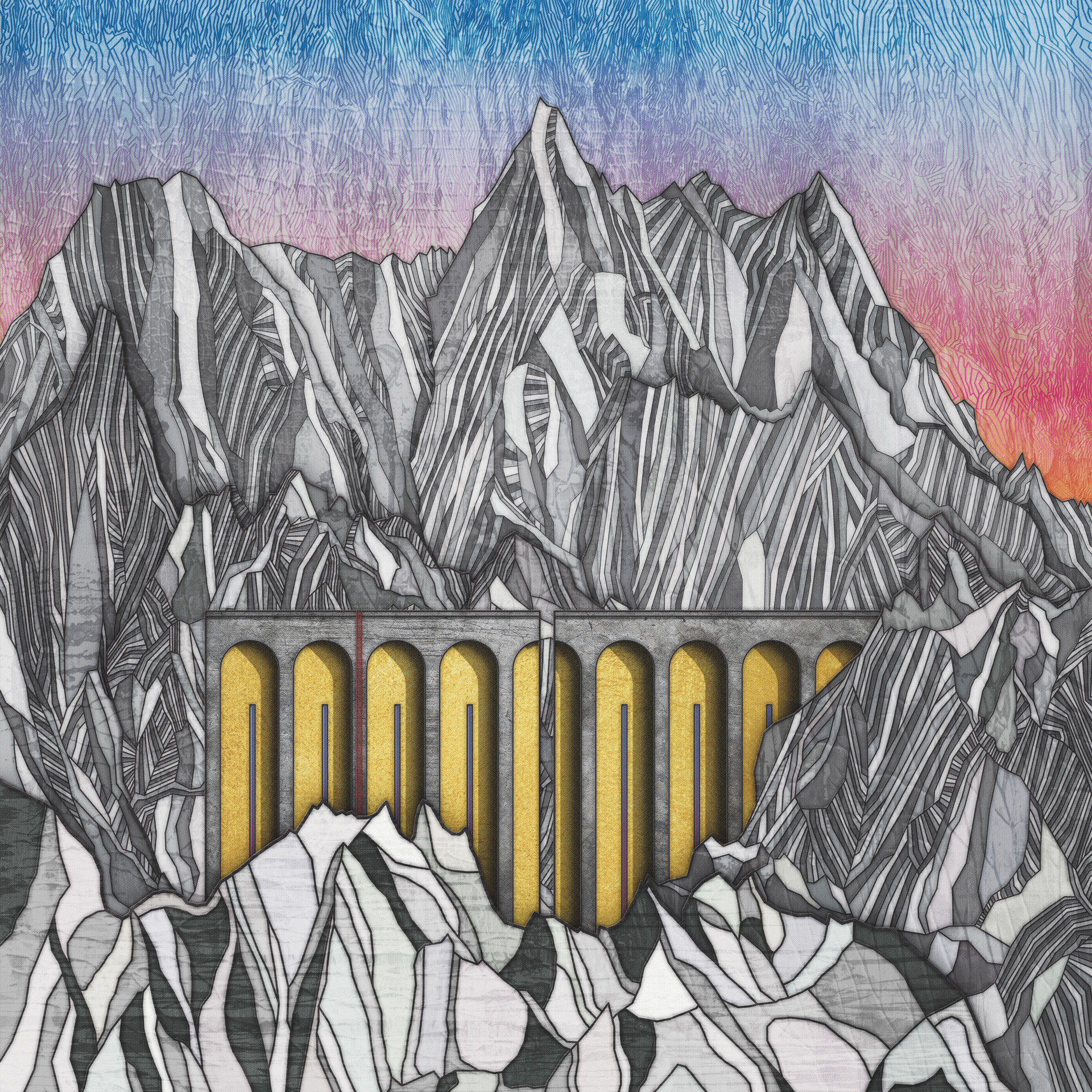
Digital Painting: DMZ Railroad

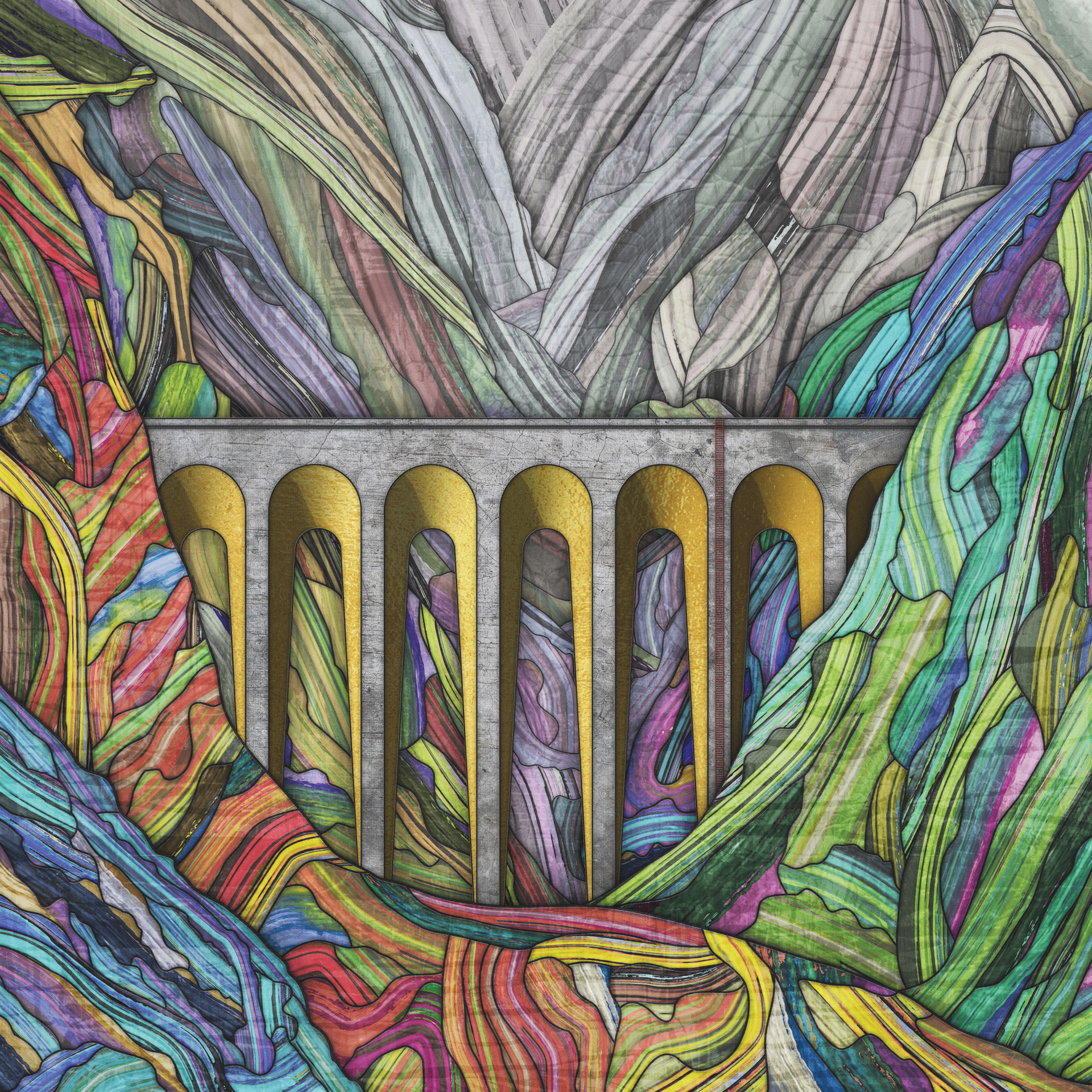
Designed to minimize the footprint without losing the solidity to take the excessive load of the high-speed trains, the gilded railroad bridge follows the sober contour of the previous proposal (the memorial). As a part of the project DMZ, the image takes the similar configuration. Picturesque mountains lead the visual composition; the bridge of the traditional exposure comes to the center where the seasonal hue of the background disappears. 
©J-W.HWANG

As an immature aspiration, the proposal includes the future. In the middle of the waves of brush strokes, uncovering the transition from the achromatic distant view to the delightful close front, as from the forbidden area to the lively land and as from the past of the DMZ to the future, the railroad bridge presents an irregular layout to create a silent hopefulness.

Creative Commons License

Digital Painting: DMZ Memorial

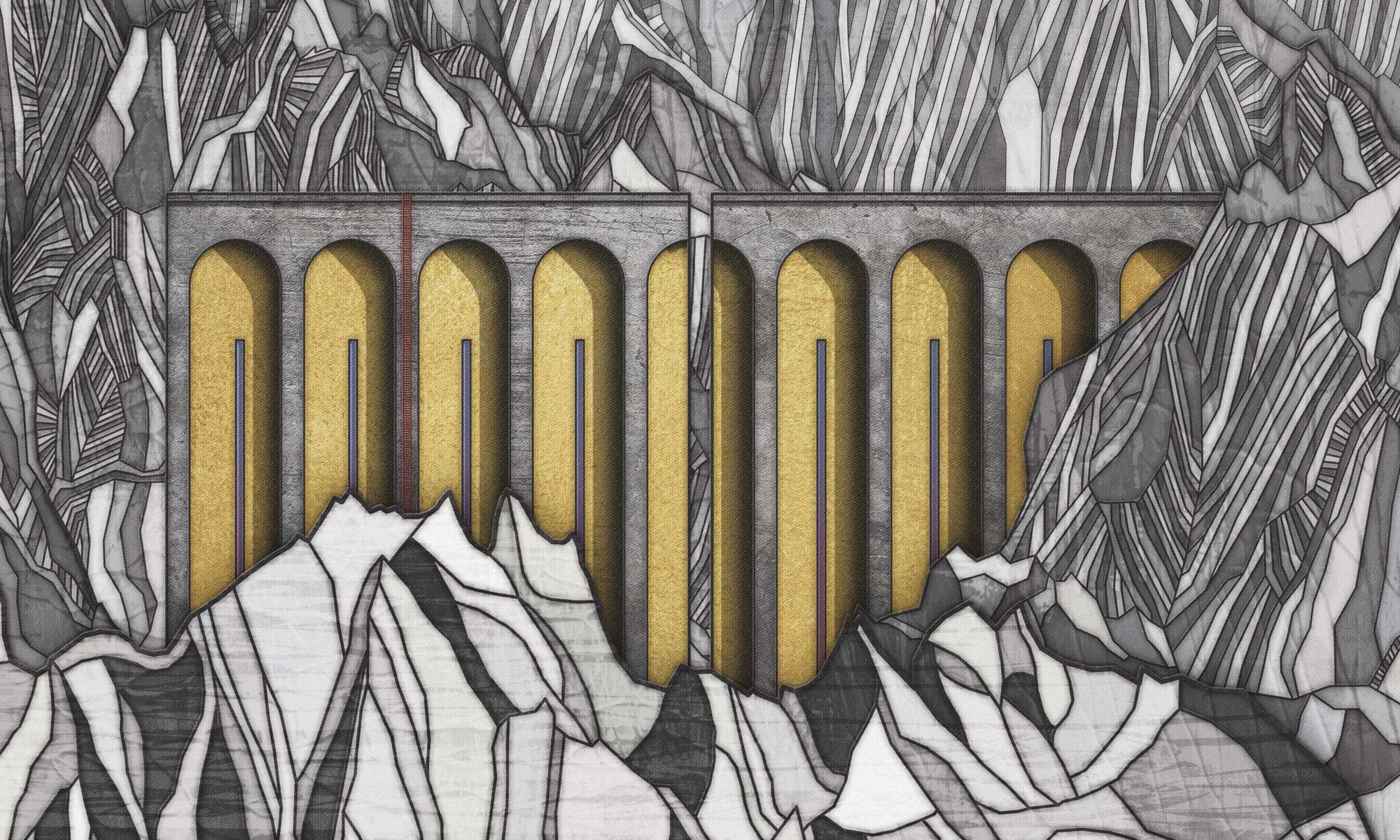
Peacefully mist-shrouded, the mountains draw boundaries to the both sides; the tension merges into the innocent landscape. The DMZ (Demilitarized Zone) of the Korean Peninsula was born from the war that never ends, leaving its nature as it was. Reunion or recurrence, while its future is unpredictable, the proposal for a memorial focuses on the message of the history.

©J-W.HWANG

The memorial is simply a thick and tall gilded wall shaped in solemn language, including a narrow passage and temporary use as an exhibition area. However, the leading actor of the image is the environment which is fairly pictorial, instead of the memorial that is materialized in strictly conventional expression. The composition emphasizes the contrast between the nature and the artificial, creating an emotional torsion by reminding the uninhabitable land and the human fault.

A simple painting could call an unexpected feeling when its covered message appears through that kind of antithesis. The image of the memorial exposes a narrative, not to celebrate or encourage, but to remember and transfer the message from the harsh reality; that’s the potential of the image and the power of the suggestion.

Creative Commons License

Bulguksa

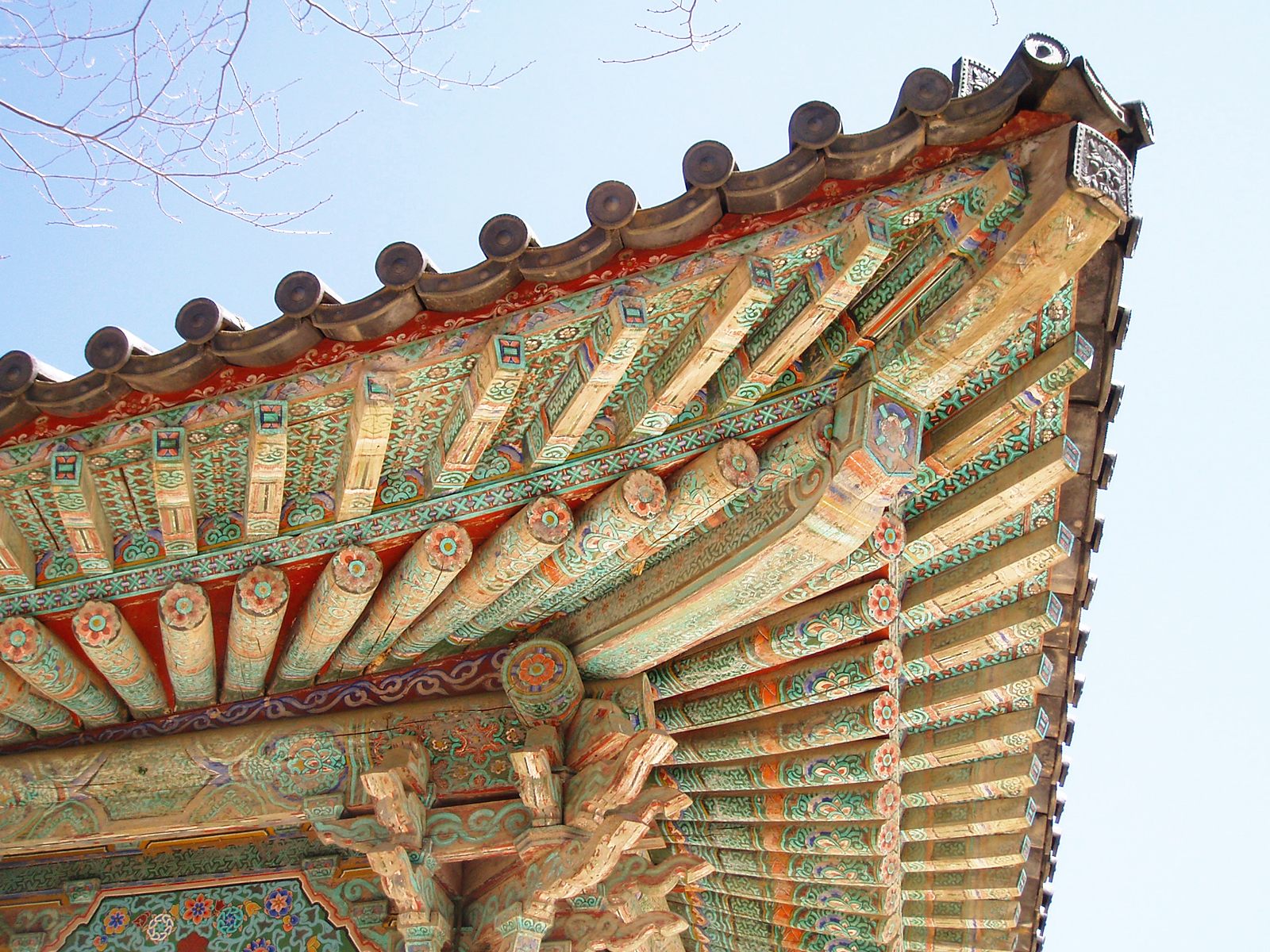
The heritage is fragile. War, fire and natural disasters are commonly known enemies. During the Japanese occupation period, the historic property of Korea has suffered for avowed robbery and poor maintenance. Countless precious assets have disappeared over the East Sea; even a whole building of the royal palace was just torn off and moved away. Bulguksa, the most historic and symbolic Buddhist temple of Korea, couldn’t be an exception.

©J-W.HWANG

Then, over 70 years passed; today, is this temple correctly restored? Unfortunately, the answer is no. Era-mixed shapes of the roofs and pillars, unmatched motifs and colors of the paintwork, tourist-friendly landscaping, everything is imagined and flavored to proceed the delicate restoration as quickly as possible, without time-consuming further historical research, and to use as a propaganda of the immature politics.

Continue reading “Bulguksa”

Symmetry 2

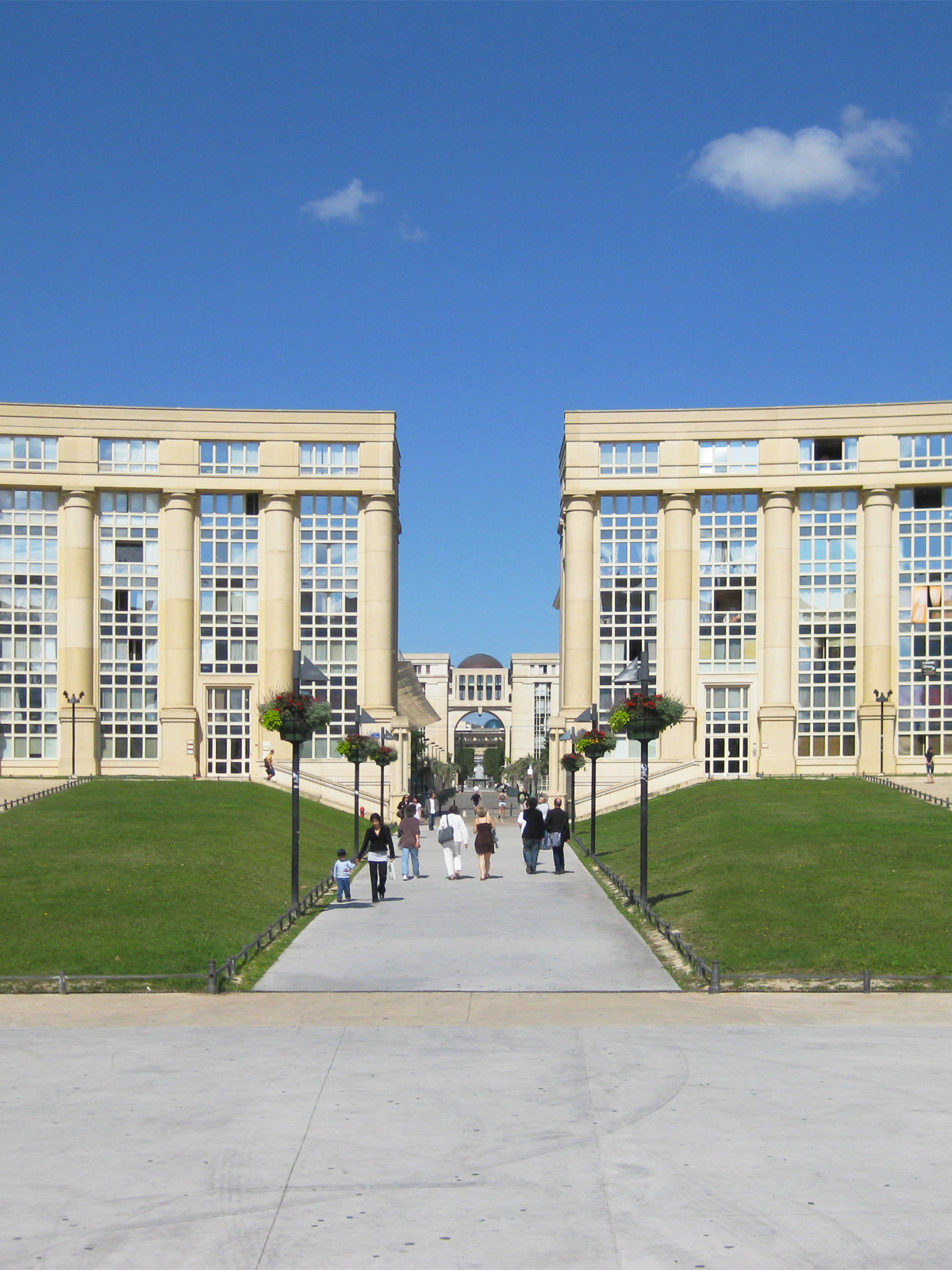
Symmetry is harmonious compliance among the members of the work itself and correlation between the parts and the whole general figure based on a selected piece as standard. In the human body, there is a balanced symmetrical property from the forearm, foot, palm, finger, and other small elements; so it is with the buildings. For example, in the sacred edifices, symmetry is designed from the thickness of a column or from the module of triglyphs, as in a ballista from the hole what Greeks call the περίτρητος, as in a ship from the space in between each thole pin (διάπηγμα); in every other work, there is a system of symmetry calculated from a component.

Marcus Vitruvius Pollio – De Architectura (translation in English ©J-W.HWANG)

Place de Thessalie, Montpellier, France (©J-W.HWANG)
Continue reading “Symmetry 2”

Extravaganza

Hilarious! Seven bears as caryatids firmly advocate the composition of the facade, as Ramasseum of Luxor (13th century BC) or as Erechtheion of Athens (421 BC). Osiris is an Egyptian god of the afterlife; the Osiride pillars have reason to stand in front of the temple. Holy maidens came from the temple of Artemis, one of the 12 Olympians in Greek mythology. How about the bears? The name of King Arthur is etymologically related to the bear, but in Korea, no one minds that.

Seven bears as contemporary caryatids (©J-W.HWANG)
Continue reading “Extravaganza”