Tadao Ando Details

A.D.A. Edita Tokyo 1996, ISBN 4-87140-551-6 C1052 ©J-W.HWANG

PATRICK SÜSKIND WROTE a short story about an artist who was dragging herself into the swamp of self-destruction because of a critic’s unintentional remark about the lack of depth in her paintings. In the middle of the ambiguous words, ‘depth’ becomes a single purpose for both the painter and the critic; then the relationship between them evolves from absence to wish. It is ‘Depth Wish’, a part of ‘Three Stories and a Reflection’ published in 1996.

As an architect, I pursue the ‘detail wish’, by drawing what would be built. Amongst the uncertain ideas, the details can create a meaningful connection between architecture and reality. Photos are helpful, drawings are useful; that’s why I purchase this kind of book. This book is somewhat difficult to find outside Japan, I bought it when I was in Osaka. I also visited Mr. Ando’s office in Osaka on that occasion, but I was not able to meet him in person; I just saw the famous boxing glove and an old VHS tape of the Oscar De La Hoya – Bernard Hopkins match.

Note that the preface is written by Peter Eisenman.
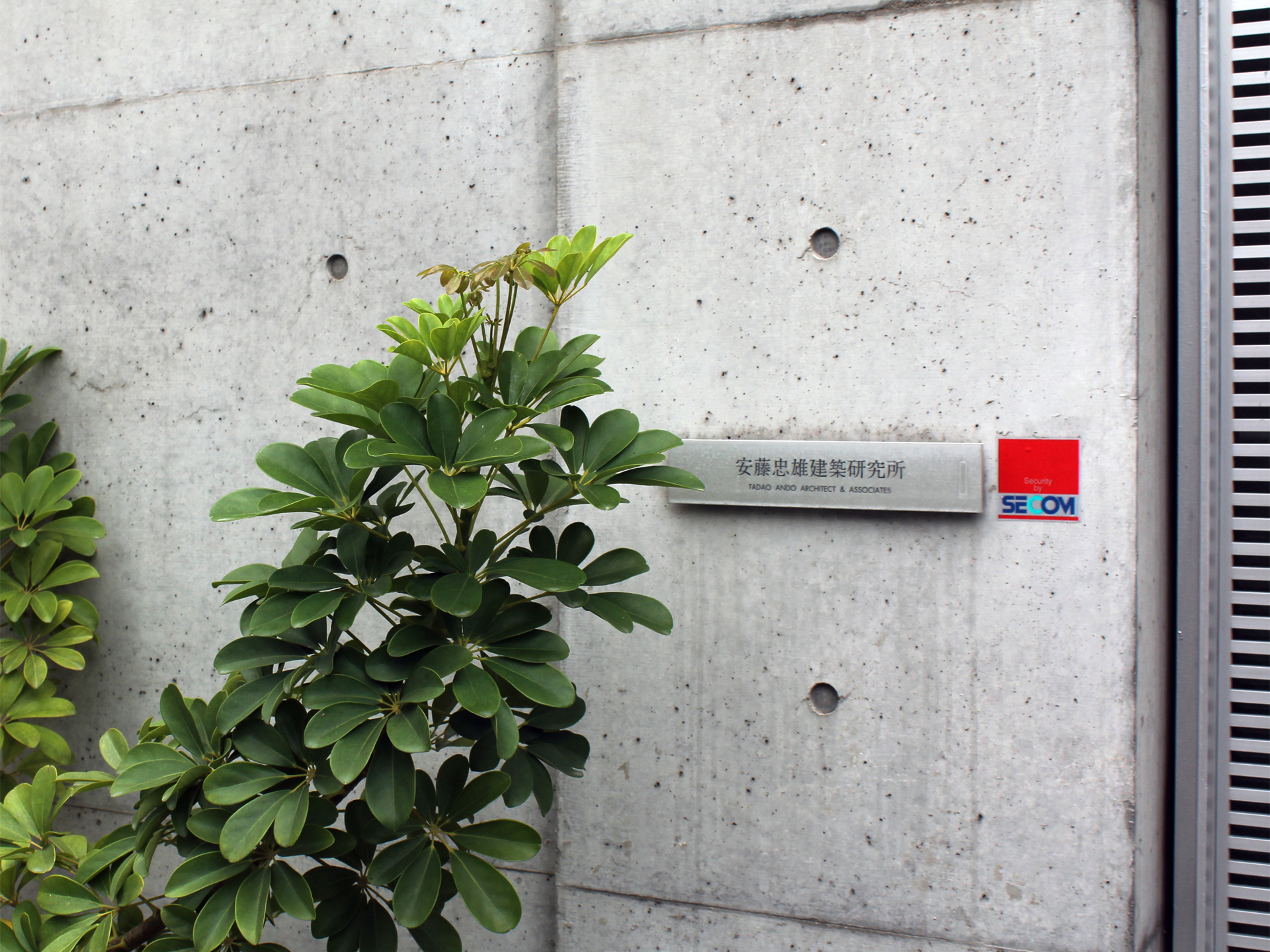
TADAO ANDO ARCHITECT & ASSOCIATES ©J-W.HWANG
Version française

Symmetry 2

Symmetry is harmonious compliance among the members of the work itself and correlation between the parts and the whole general figure based on a selected piece as standard. In the human body, there is a balanced symmetrical property from the forearm, foot, palm, finger, and other small elements; so it is with the buildings. For example, in the sacred edifices, symmetry is designed from the thickness of a column or from the module of triglyphs, as in a ballista from the hole what Greeks call the περίτρητος, as in a ship from the space in between each thole pin (διάπηγμα); in every other work, there is a system of symmetry calculated from a component.

Marcus Vitruvius Pollio – De Architectura (translation in English ©J-W.HWANG)

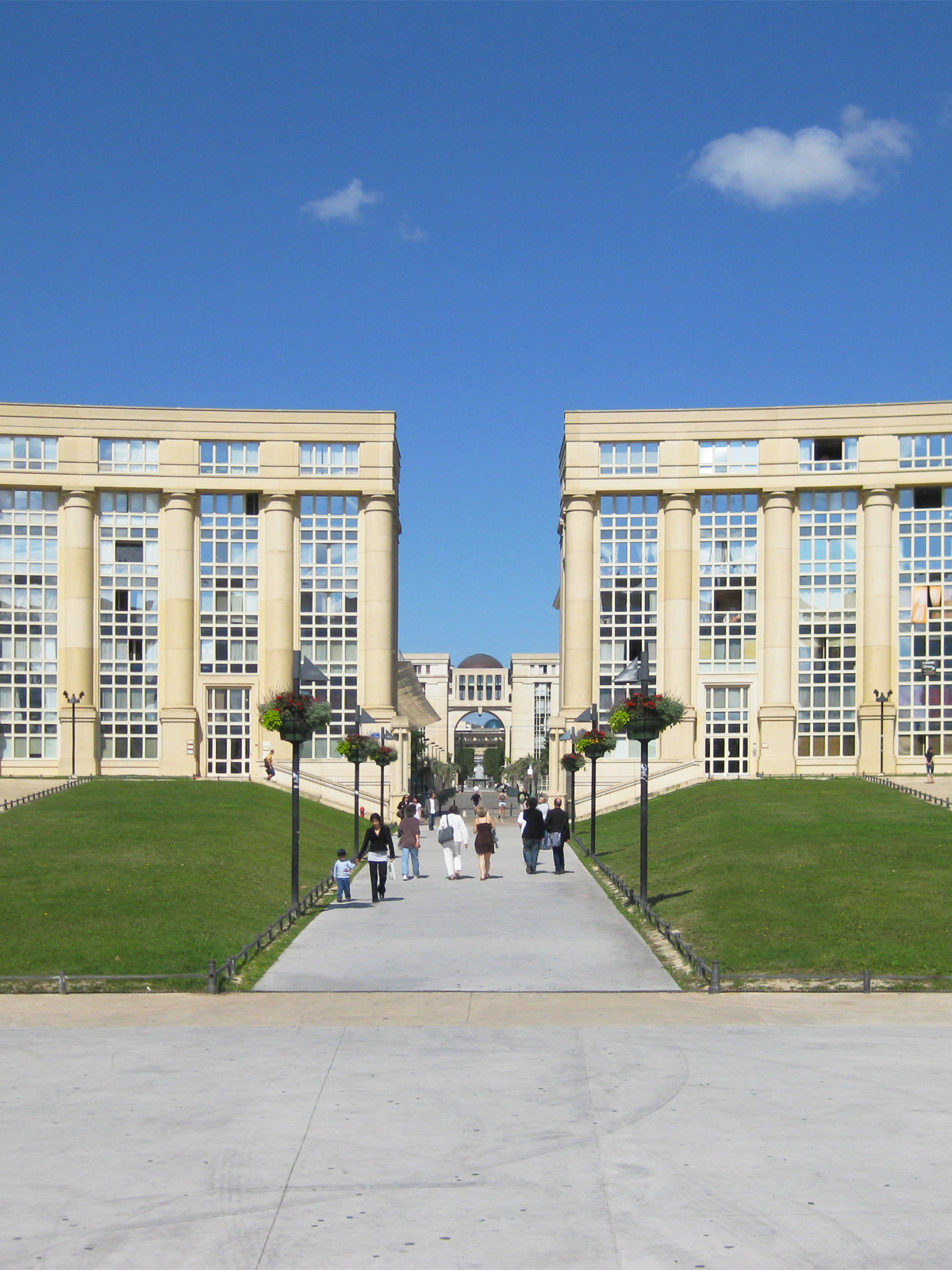
Place de Thessalie, Montpellier, France (©J-W.HWANG)
Continue reading “Symmetry 2”

Symmetry

… As far as the eyes could reach, no one has perceived more than the slaughter houses, the enclosing walls and a few rare facades of the factories alongside the barracks and the monasteries; wherever stood the hovels and the rubbish of old walls blackened as cerecloth, of latest walls whitened as winding sheets; everywhere erected the parallel rows of trees, the aligned buildings and the flat constructions of the bleak long line and of the gloomy sadness of right angles. No heterogeneity on the tissue, no caprice of architecture, no crease. It was glacial, regular and hideous landscape. Nothing represses the heart like symmetry. Symmetry is ennui; ennui founds anguish. Despair bores. Imagine something more terrible than hell in which everyone suffers; it’s in that hell where one would be tedious. If such hell existed, a bit of the Boulevard de l’Hopital might have been its avenue.

Victor Hugo – Les Misérables (translation in English ©J-W.HWANG)

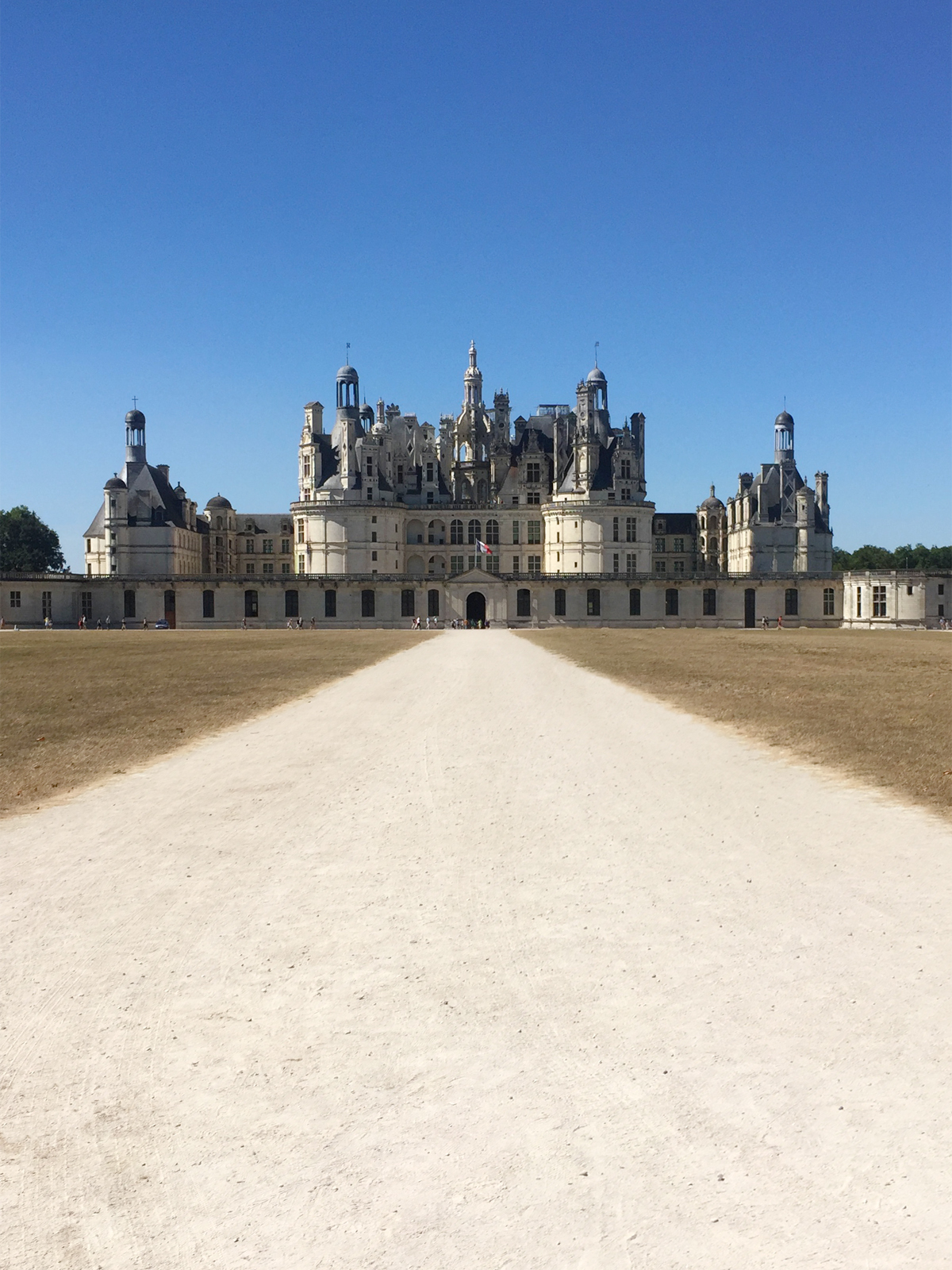
Château de Chambord (©J-W.HWANG)
Continue reading “Symmetry”

De nostri temporis studiorum ratione

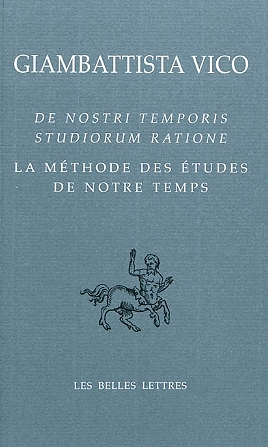
De nostri temporis studiorum ratione (La méthode des études de notre temps), Giambattista Vico, tr. Alain Pons, Edition Les Belles lettre

In fact, I didn’t show you any of the arrogance in this lecture; I’ve been attended carefully to give a title to it, denied the dressed as “Contemporary research method compatible with ancient times” and chose the humblest. Because I hope that my words are accomplished as

the light that rises in the smoke rather than the flame that vanishes into the smoke,*

sincerely.

Translation in English ©J-W.HWANG


Me vero in hac dissertatione nihil omnino iactavi; idque adeo cavi sedulo, ut quanquam ea speciosum titulum praeseferre posset: De recentiori et antiqua studiorum ratione conciliata, nihilominus maxime vulgarem concepi; nam

Non fumum ex fulgore, sed ex fumo dare lucem,*

Velim.

Source: De nostri temporis studiorum ratione (On the Study Method of Our Times), Giambattista Vico, tr. Alain Pons, Edition Les Belles lettre, 2010, Paris, ISBN 978-2-251-73032-5, pp.81


* Horace, Ars Poetica, V. 143

Creative Commons License

Le retour de « De l’architecture »

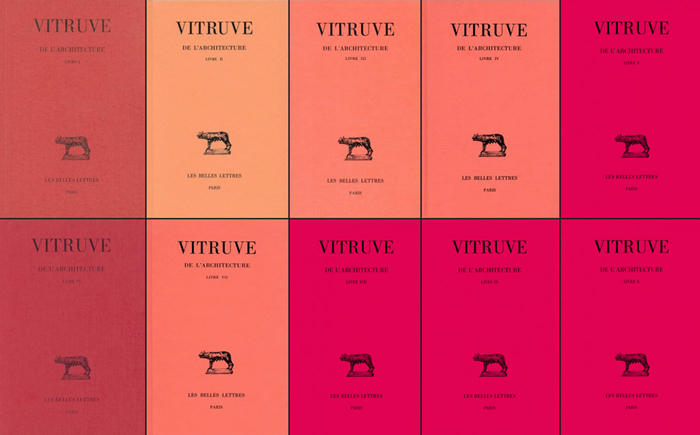
« Les 10 livres d’architecture » de Vitruve en édition bilingue latin-français, publiés en 10 volumes, littéralement

Pour les étudiants en architecture, « Les 10 livres d’architecture ([LATIN] DE ARCHITECTURA) » de Vitruve est une référence absolue ; c’est un texte essentiel pour comprendre le fondement théorique de l’architecture occidentale. Face aux monographies des maîtres remplies par les belles photos et les plans sophistiqués, en effet, ce genre de livre d’histoire perd plus en plus la chance de revoir la lumière ; une fois se remplit l’objectif pédagogique, il ne sort plus de sa place de l’étagère. 

Il y a quelque semaines, j’ai trouvé « Les 10 livres d’architecture » de Vitruve publiés en 10 vrais volumes physiquement séparés, en édition bilingue latin-français. Ils ne se lisent pas comme « Moneyball », mais j’ai commandé le premier volume. Cela fait un moment que je sens la parfume de l’encre et de la colle d’un livre qui vient d’arriver dans mes mains. Quelle joie ! 

Creative Commons License