Symmetry 2

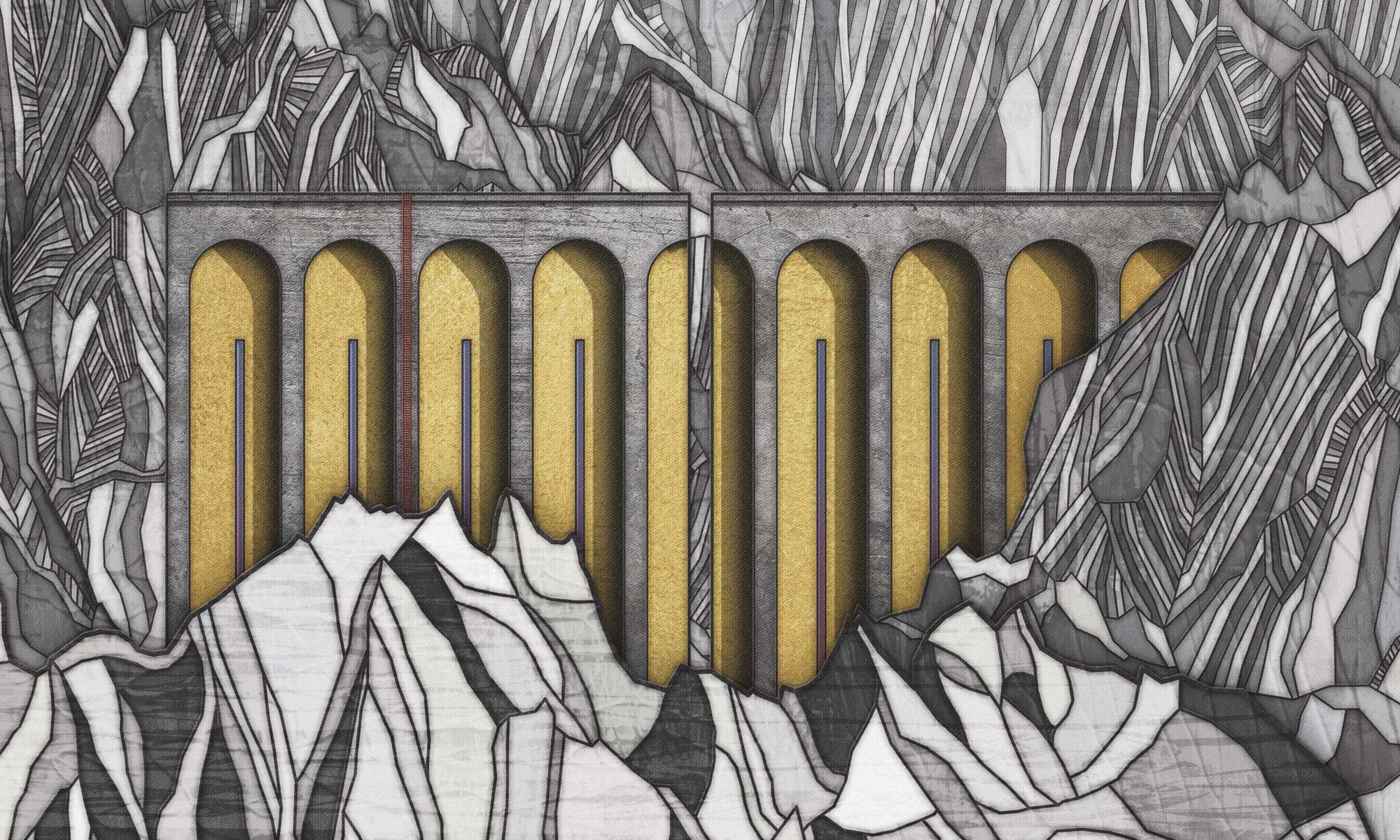
Symmetry is harmonious compliance among the members of the work itself and correlation between the parts and the whole general figure based on a selected piece as standard. In the human body, there is a balanced symmetrical property from the forearm, foot, palm, finger, and other small elements; so it is with the buildings. For example, in the sacred edifices, symmetry is designed from the thickness of a column or from the module of triglyphs, as in a ballista from the hole what Greeks call the περίτρητος, as in a ship from the space in between each thole pin (διάπηγμα); in every other work, there is a system of symmetry calculated from a component.

Marcus Vitruvius Pollio – De Architectura (translation in English ©J-W.HWANG)
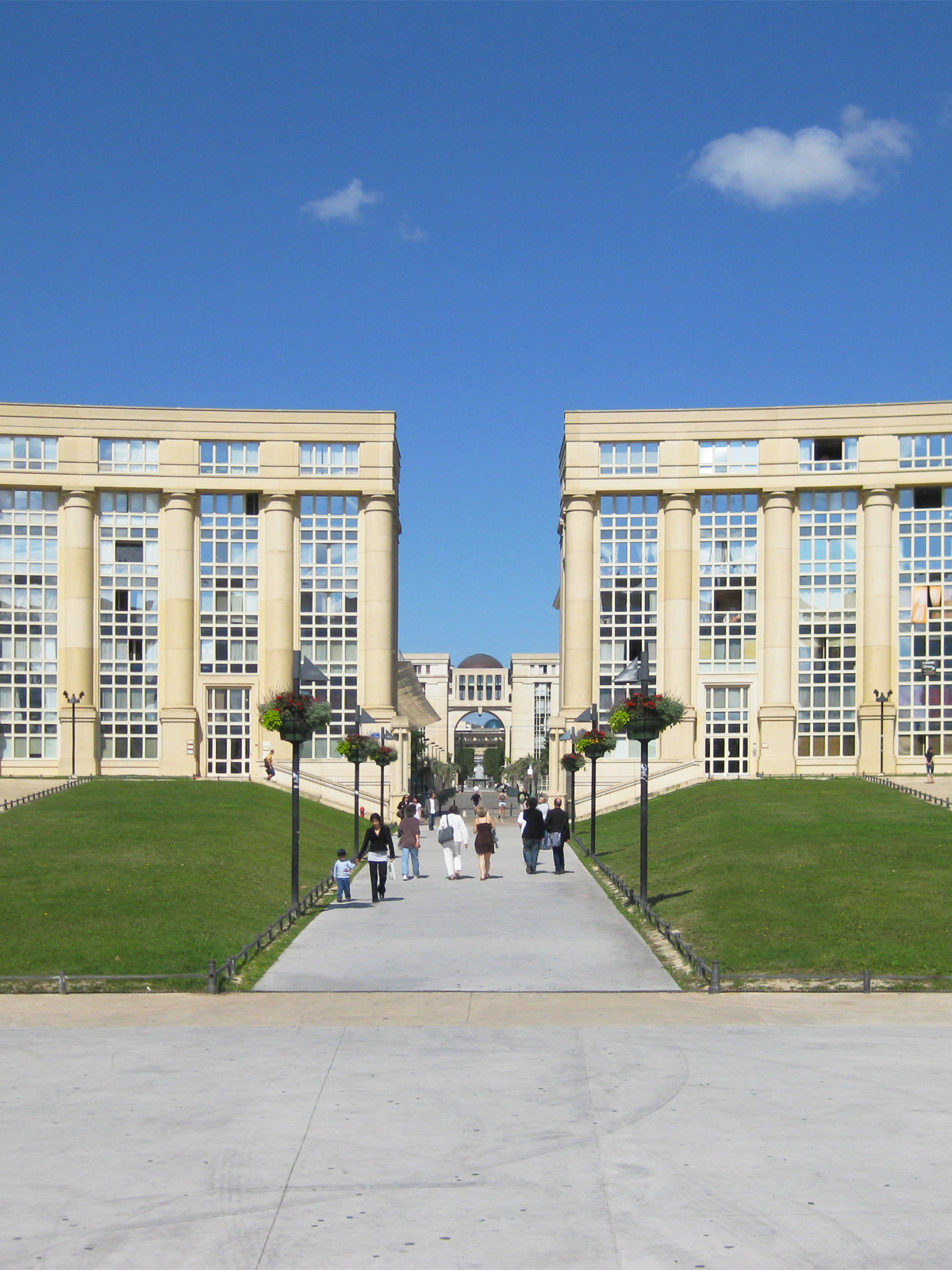
Place de Thessalie, Montpellier, France (©J-W.HWANG)
Continue reading “Symmetry 2”

Extravaganza

Hilarious! Seven bears as caryatids firmly advocate the composition of the facade, as Ramasseum of Luxor (13th century BC) or as Erechtheion of Athens (421 BC). Osiris is an Egyptian god of the afterlife; the Osiride pillars have reason to stand in front of the temple. Holy maidens came from the temple of Artemis, one of the 12 Olympians in Greek mythology. How about the bears? The name of King Arthur is etymologically related to the bear, but in Korea, no one minds that.

Seven bears as contemporary caryatids (©J-W.HWANG)
Continue reading “Extravaganza”

Barcelona

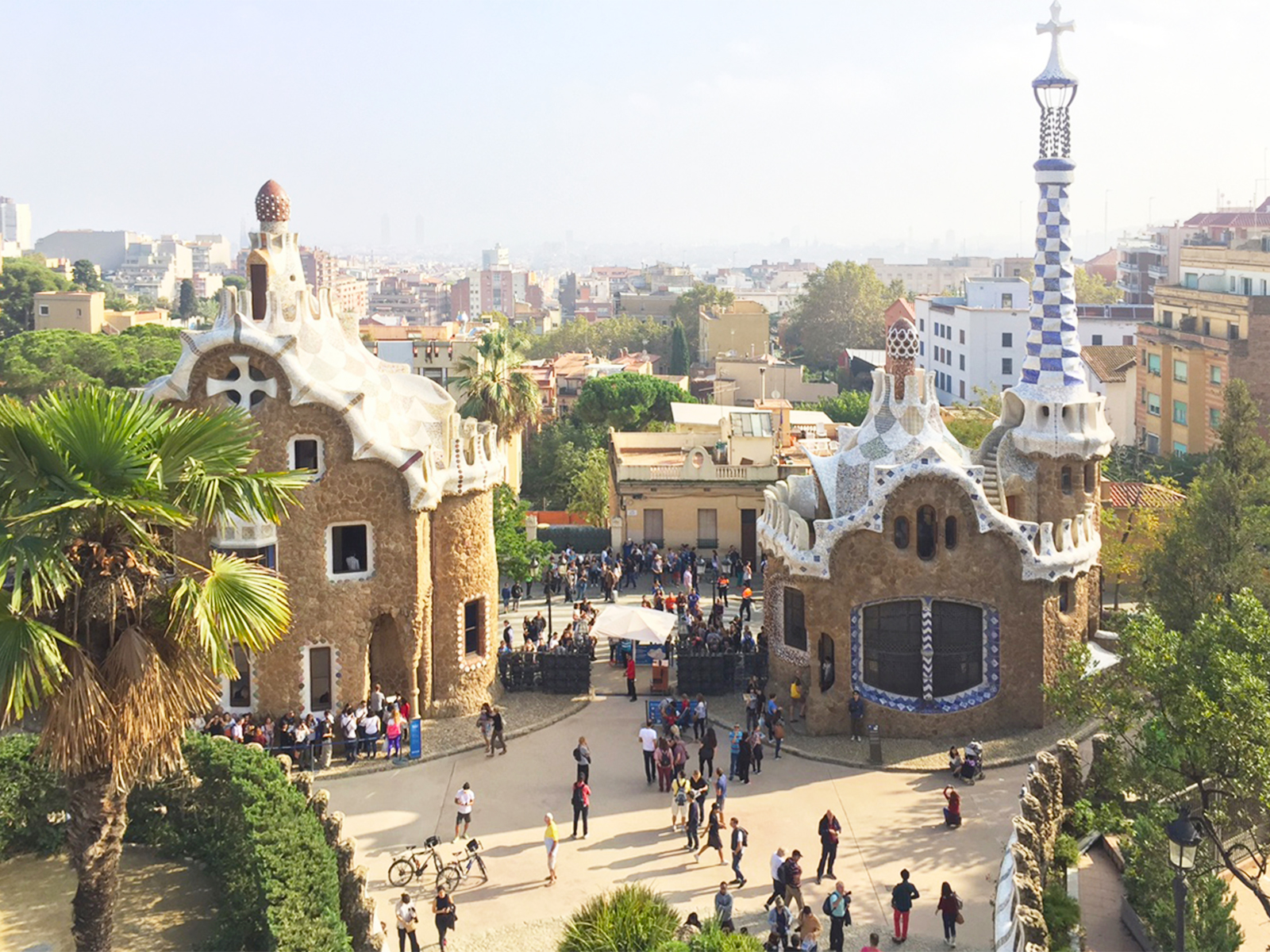
Park Güell (©J-W.HWANG)

A city for an architect, its splendor veils his belief; a grid from an engineer, his vision shades its autocracy. They run with us, they’re never among us; autonomy fades the stripes, for which a specter haunts. Monument, achievement, heritage and uniform came as symmetry. Mirrors reflect the diagonal where people walk; once tasty, the shoreline draws them to take a rest and pains. The square to parade, the premature crown climbs on boots; desperately winged, the torch breaks through the sky where no cloud is allowed; hateful, though the fight finished.

Continue reading “Barcelona”

Symmetry

… As far as the eyes could reach, no one has perceived more than the slaughter houses, the enclosing walls and a few rare facades of the factories alongside the barracks and the monasteries; wherever stood the hovels and the rubbish of old walls blackened as cerecloth, of latest walls whitened as winding sheets; everywhere erected the parallel rows of trees, the aligned buildings and the flat constructions of the bleak long line and of the gloomy sadness of right angles. No heterogeneity on the tissue, no caprice of architecture, no crease. It was glacial, regular and hideous landscape. Nothing represses the heart like symmetry. Symmetry is ennui; ennui founds anguish. Despair bores. Imagine something more terrible than hell in which everyone suffers; it’s in that hell where one would be tedious. If such hell existed, a bit of the Boulevard de l’Hopital might have been its avenue.

Victor Hugo – Les Misérables (translation in English ©J-W.HWANG)
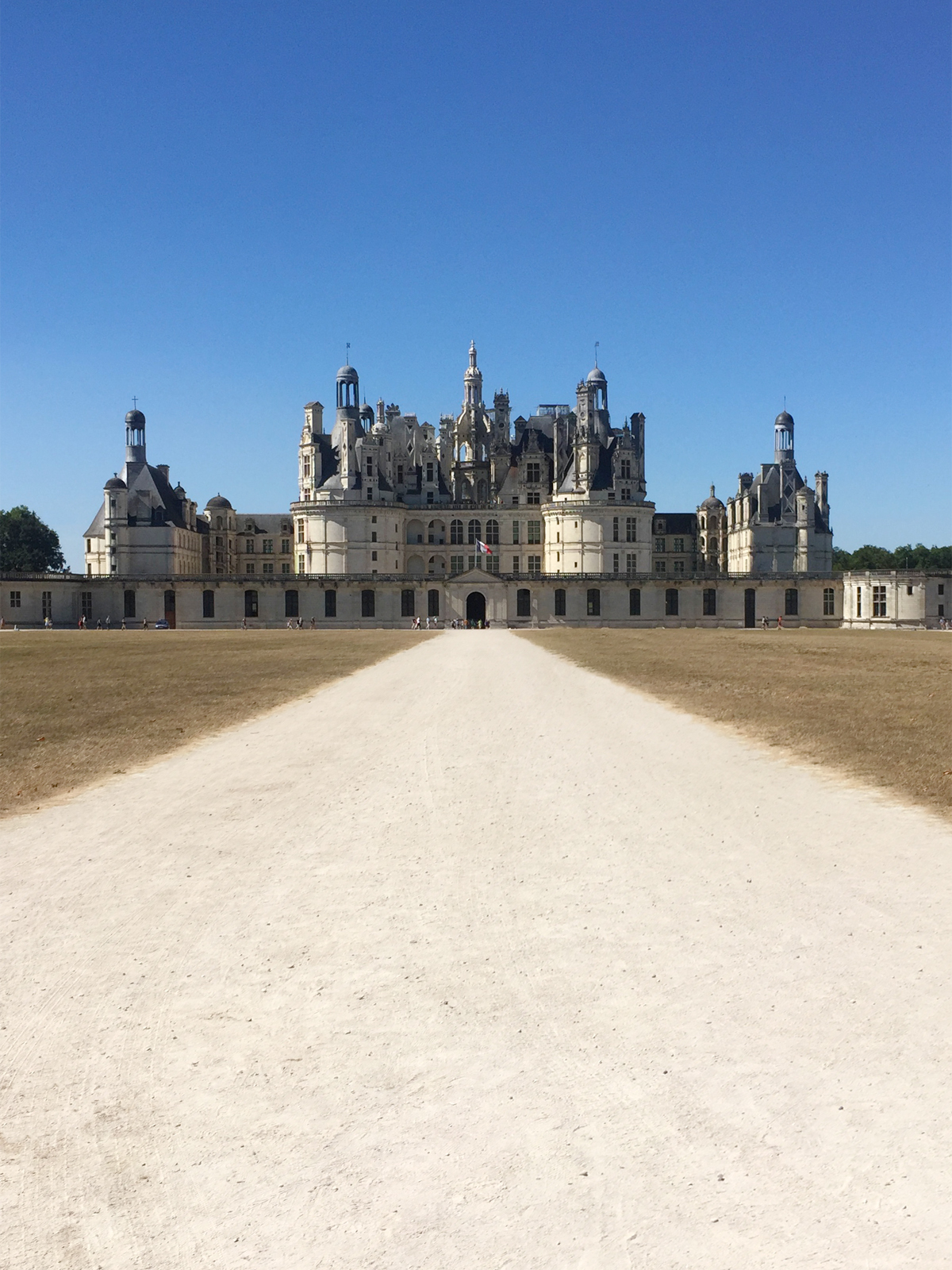
Château de Chambord (©J-W.HWANG)
Continue reading “Symmetry”

Gargoyle

The gargoyle of medieval European Gothic architecture, commonly known for the appearance of frightening creatures, has two jobs. While it handles the rainwater from the roof, it reminds people the spiritual danger. The name gargoyle is etymologically originated from the Latin “GORGE”, which refers to the throat, and from the ancient Greek “γαργαρίζειν”, which indicates gargling. Meanwhile, where the eyes rarely reach, the drain has a practically functional shape without wearing a cumbersome sculpture*; it means that the symbolic role of the gargoyle is definitely for those who see it. Hence, the object signifies and appears differently according to where it is placed, even for the same duty.

Gargoyle, Château d’Amboise (©J-W.HWANG)
Continue reading “Gargoyle”