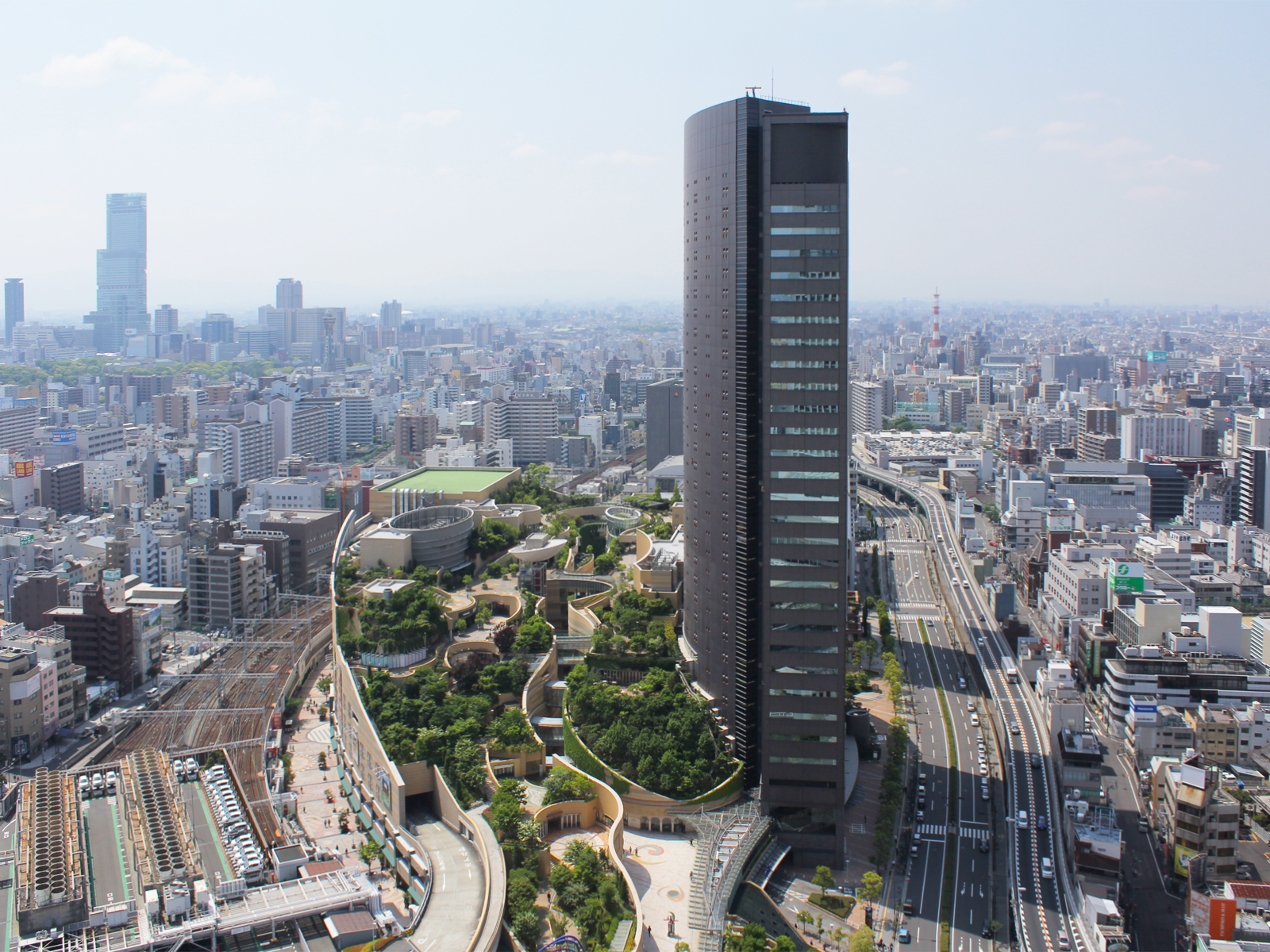
Clean under eaves, the obsession receives with regards. The city lives in detail, as others of the country do; impressed and touched, everything in sight seems laborious. Vibrant and arranged, the street in vivid colors diffuses tasty steam; wearing crabs, octopuses and fishes, the wall walks with people to open their appetite. Dense and crowded, the road of flags disturbs the bitter green tea; covered with unpolished catchwords and extravagant calligraphy, the specter haunts people to feed anxiety. The cloud has passed and merged into the elevated landscape; the sun is pitiless; a beer is profitless.
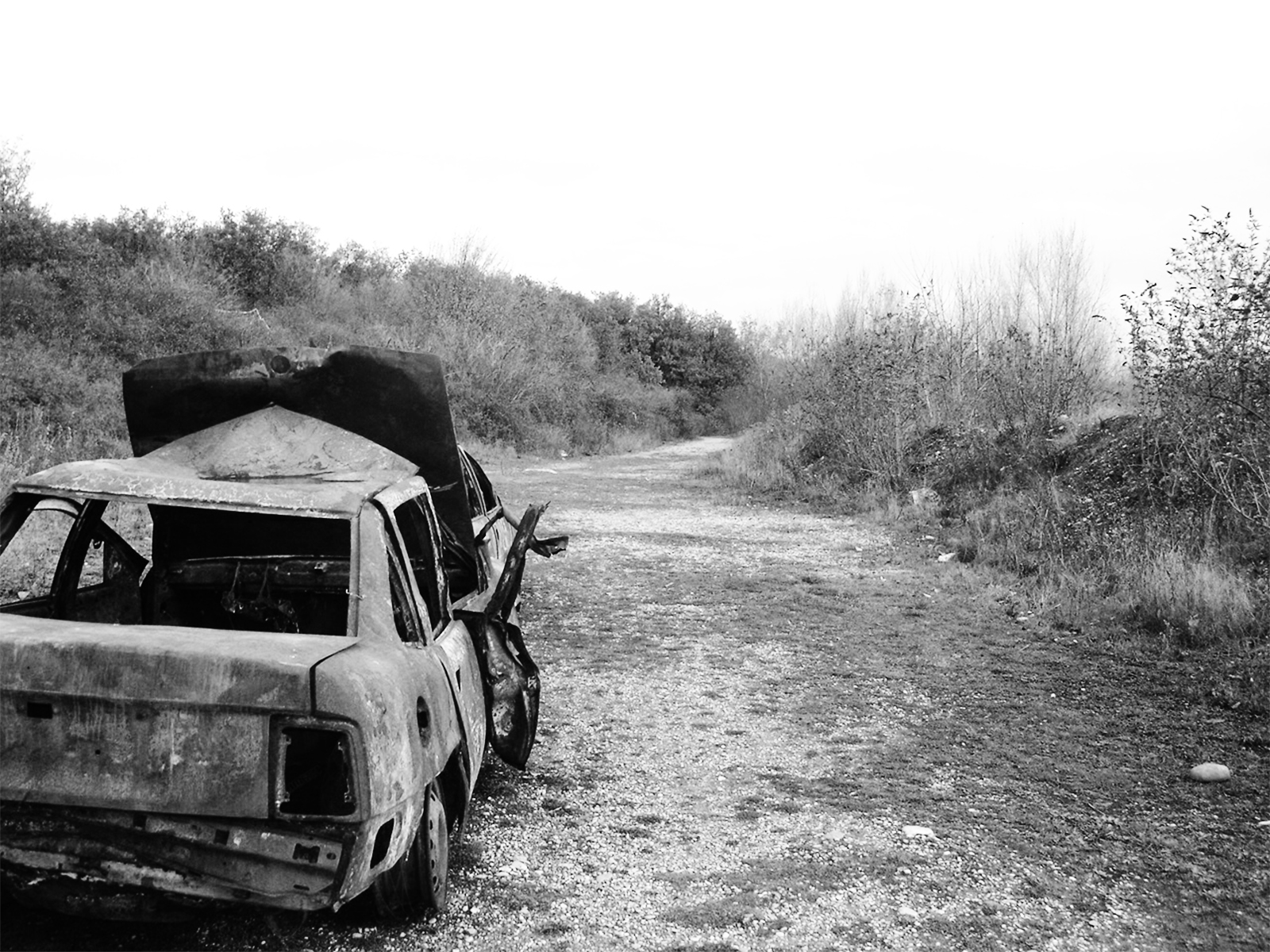
Plans in pockets, searching for the perfect place to build a dream, in the middle of nowhere, a road comes in sight; somewhat embarrassed, the hands shuddered with vanity. The time has passed and the youthfulness has failed; regrettably, the virtues are still far off.
BORN IN VINCI OF FLORENCE ON APRIL 15, 1452, SPENT THE LAST THREE YEARS OF HIS LIFE IN AMBOISE, AT THE MANOR OF CLOS LUCÉ FOR THE INVITATION OF KING FRANCIS FIRST
HE DIED THERE ON MAY 2, 1519 AND WAS BURIED IN THE CASTLE BY HIS REQUEST, AT THE COLLEGIATE CHURCH OF ST. FLORENTIN WHICH WAS DESTROYED IN 1807
HIS ASSUMED REMAINS FOUND DURING THE EXCAVATIONS OF 1863 WERE TRANSFERRED TO THIS CHAPEL
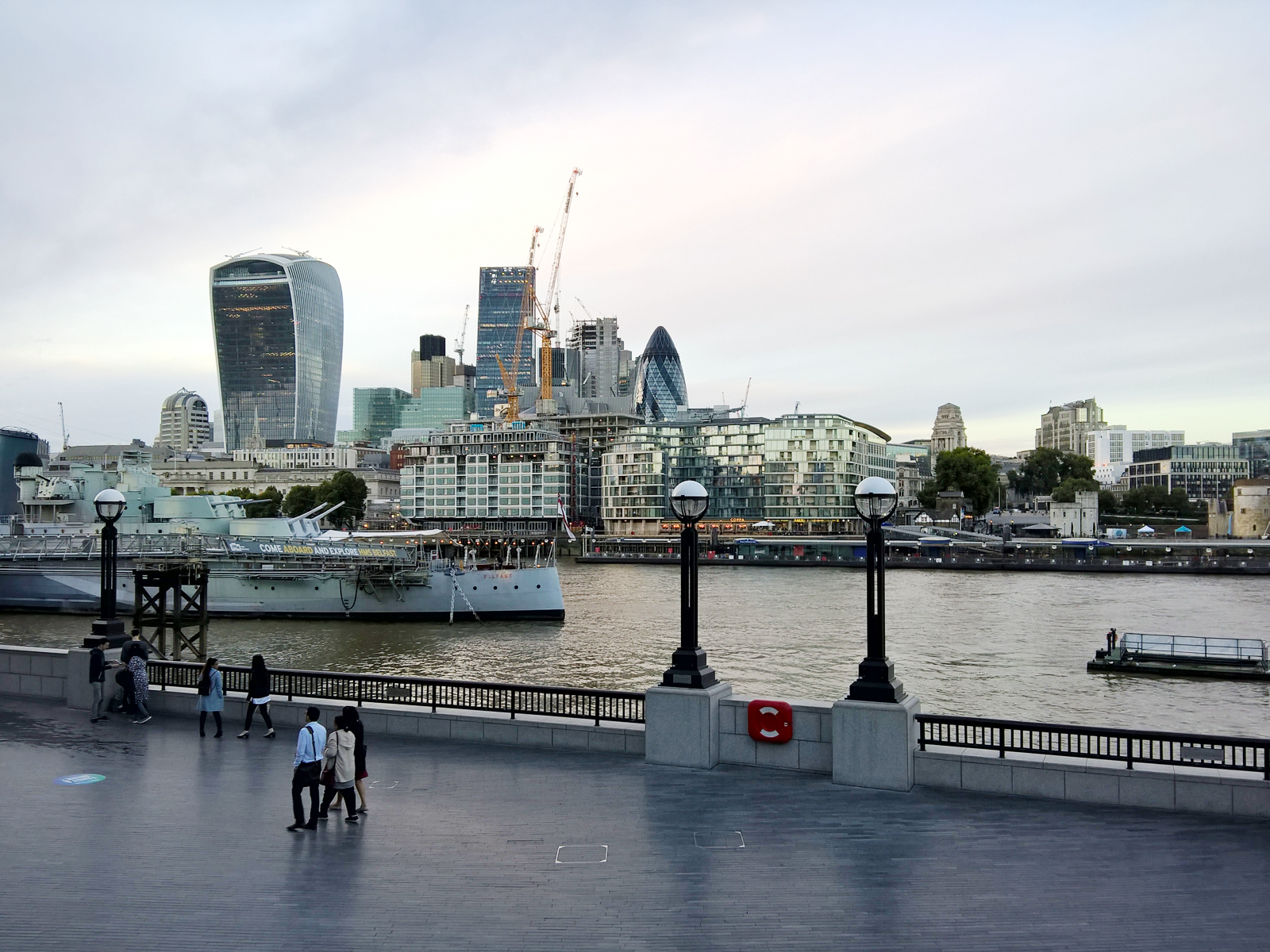
The sky falls under the yellow cloud that builds the loud towers among which the rain pole walks. Gloomy weather floods into the river; turbid water climbs to the air; the tranquilized battleship anchored in the roofless museum. Behold! The marbles collapse against the patience for the inhabitants, the pleasure for the tourists, the reputation for the scholars, and the longevity for the politicians. Footless people rush through the wet caves to paint their tied red tongues in careless black within a three-story cake house; arrogance bats, hypocrisy throws, animosity kicks, rectitude runs, peace minds.
Five buildings and Italo Calvino’s “Six Memos for the Next Millennium” (4, revised)
Visibility: Filharmonia im. Mieczysława Karłowicza w Szczecinie, Szczecinie, Poland
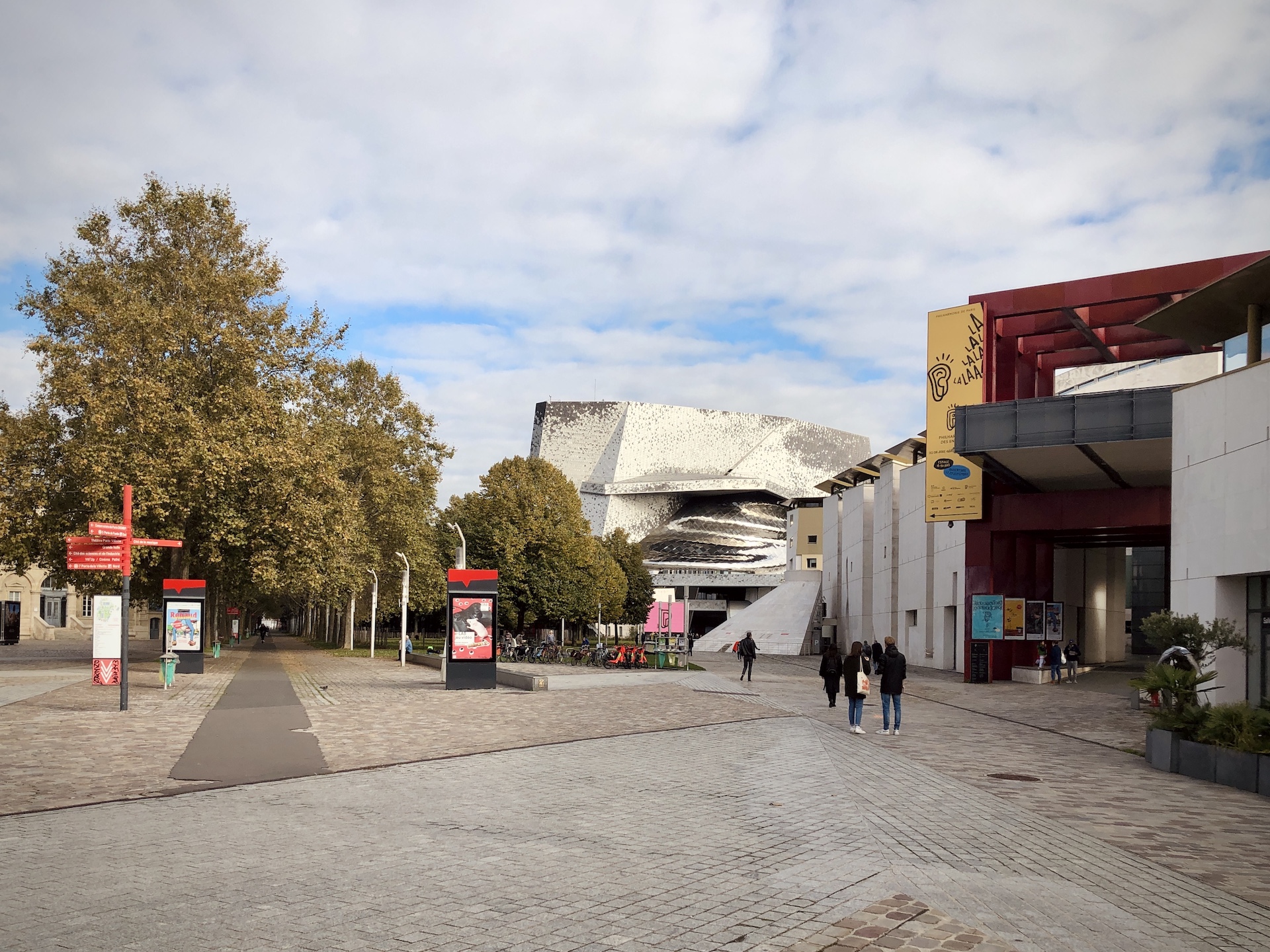
The Philharmonie de Paris has finally opened its doors. Around the project, which costs more than doubled the initial budget, the conflict among the stakeholders has been constantly reported. Obviously, it should be unreasonable to ignore the administrative and political influence for such a large-scale operation; however, disregarding the circumstantial issues, this exceptional edifice could open the path to see what visibility means to the architectural works.
The mass comes in a totally abstract shape; that appears to be somewhat necessary in order to keep the identity within the vivid surroundings of the aligned red pavilions of the Parc de la Vilette and the extravagant former concert hall. Contrary to the splendor, the building itself voices quietly. The enveloping shiny texture resembles the skin of a coiled snake, and the cladding pattern on the walls and the roof glitters like the flying birds; through that luxurious appearance, the signs of the site are barely seen.


 J-W.H/A+U&D